

Turbine Meter Replacement in Canada: Why Utilities Are Moving to Ultrasonic Gas Measurement
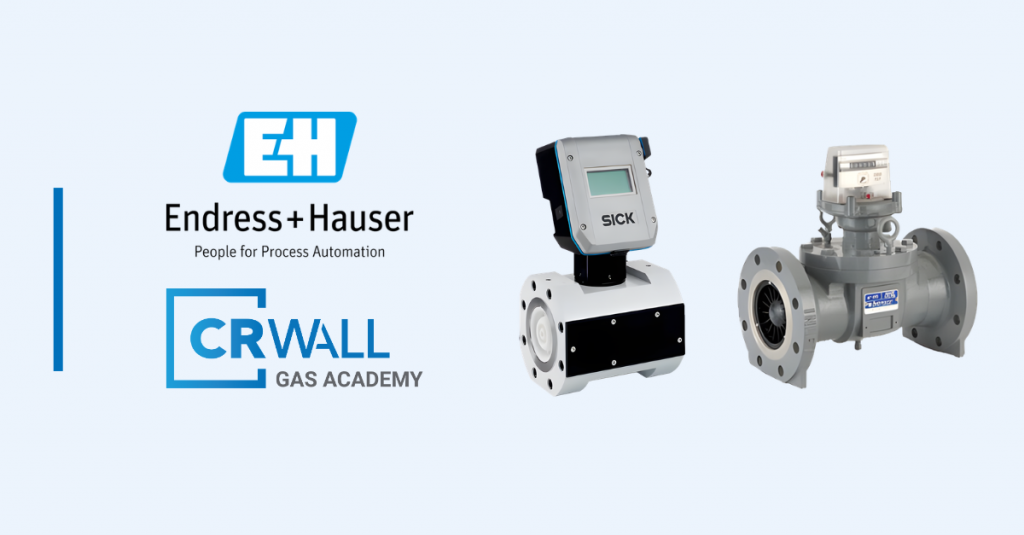
Why Ultrasonic Meters Are Becoming the Preferred Alternative
Natural gas distribution systems across Canada have relied on turbine meters for decades. These meters have long been considered the standard for measuring gas flow in distribution networks, industrial facilities, and higher pressure custody transfer points.
However, as turbine meters age and operational challenges increase, many utilities are evaluating replacement strategies. New measurement technologies, particularly ultrasonic meters, are emerging as a practical and reliable alternative.
This article summarizes insights from a technical discussion with Mike Miller, Product Manager, Flow & Digital Business | Marketing at Endress+Hauser Canada, on the evolving role of ultrasonic meters in turbine meter replacement strategies
The Long History of Turbine Meters in Gas Distribution
Turbine meters are one of the oldest measurement technologies still widely used in natural gas systems. For many utilities, they have long served as the primary method of measuring gas volumes moving through distribution networks.
Historically, turbine meters became the industry standard because they provided accurate volumetric measurement and were widely accepted across gas distribution applications. Over time, utilities built their measurement infrastructure around turbine technology, reinforcing its long-standing role in the industry. Because of this legacy, turbine meters remain common in Canadian distribution systems today.
Why Utilities Are Reconsidering Turbine Meters
While turbine meters are proven technology, several factors are now driving utilities to explore alternatives.
1. Aging Infrastructure
Many turbine meters currently in operation have been installed for years, and in some cases decades. As these assets reach the end of their service life, utilities must decide whether to replace them with the same technology or transition to newer measurement solutions.
2. Maintenance Requirements
Turbine meters are mechanical devices that contain rotating blades inside the meter body. Because of these moving parts, they require periodic inspection, lubrication, and preventative maintenance to maintain measurement accuracy.
Over time, mechanical wear can impact performance and increase maintenance requirements.
3. Supply Chain Challenges
One of the major issues affecting turbine meter replacement strategies is supply chain disruption. Utilities across the industry are experiencing difficulty obtaining new turbine meters and replacement parts.
Due to the limited number of manufacturers producing turbine meters approved for custody transfer in Canada, lead times for replacement components have increased significantly. In many cases, utilities are now seeing lead times between 60 and 80 weeks for turbine meter cartridges or replacement parts. This creates a serious operational risk. If a turbine meter fails and the required part is not already in inventory, restoring the meter can take well over a year.
“There are only so many suppliers that build turbine meters, and right now utilities are seeing major supply chain disruption. If someone who traditionally uses turbines can’t get parts, it creates a real gap that needs to be filled.”
Mike Miller - Endress+Hauser
Additionally, there are relatively few turbine meters approved for custody transfer applications in Canada, which further limits available options.
Turbine vs Ultrasonic: How the Technologies Compare
Both turbine and ultrasonic meters measure gas volume, but they use very different measurement principles.
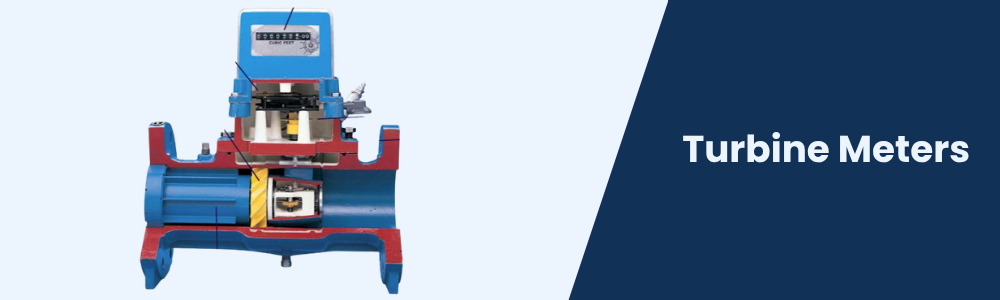
Turbine Meter Operation
Turbine meters measure gas flow by tracking the rotation of a turbine rotor. As gas moves through the meter, it spins the rotor blades. The rotational speed is then used to calculate volumetric flow.
Because the measurement relies on mechanical motion, turbine meter performance can be affected by wear, contamination, and maintenance conditions.
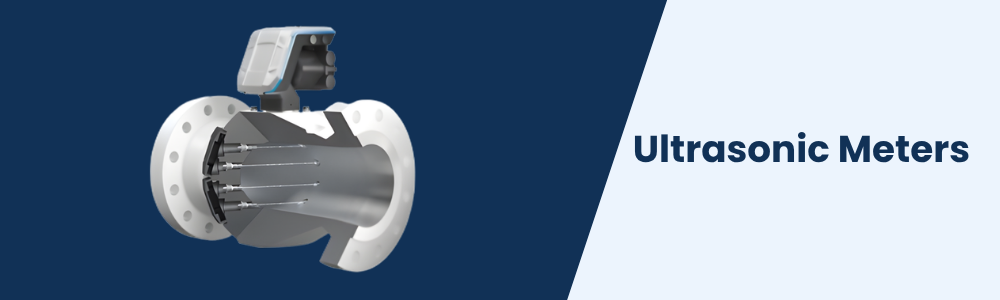
Ultrasonic Meter Operation
Ultrasonic meters measure gas flow using the speed of sound through the gas. Sensors transmit ultrasonic signals across the pipe, and the time difference between upstream and downstream signals determines gas velocity.
Because ultrasonic meters contain no moving parts, they eliminate many of the mechanical wear issues associated with turbine meters.
As Mike Miller explains:
“A turbine is a mechanical meter with rotating blades inside the meter. Because it’s mechanical, it requires maintenance, inspections, and ongoing preventative service. With ultrasonic meters, there are no moving parts to wear out.”
Mike Miller - Endress+Hauser
This fundamental difference is one of the main reasons ultrasonic meters are gaining traction in modern gas distribution systems.
Key Advantages of Ultrasonic Meters
1. Wider Rangeability
One of the biggest differences between turbine and ultrasonic meters is the turndown ratio, which determines how accurately a meter can measure across varying flow conditions.
Typical optimized turbine meters have a turndown ratio of about 50:1, while ultrasonic meters can achieve 160:1 or greater. This allows a single meter to measure both low and high flow conditions accurately.
This capability is particularly valuable in Canada, where gas demand can fluctuate significantly between seasonal loads and industrial loads where they can go from extremely high to low very quickly.
2. No Pressure Drop
Ultrasonic meters are full-bore devices with no internal obstructions, creating virtually no pressure loss across the meter.
Turbine meters introduce pressure drop because gas must pass through the rotating blades, which can increase compression requirements and operating costs.
3. Advanced Diagnostics
Ultrasonic meters also provide diagnostic data based on the speed of sound through the gas. Changes in speed of sound can indicate variations in gas composition or disturbances in the flow profile.
This provides valuable insight into system conditions that mechanical meters cannot detect.
Installation Considerations When Replacing Turbine Meters
Ultrasonic meters can often be installed with minimal changes to existing infrastructure.
Turbine meters typically require 10 to 15 pipe diameters of upstream straight run to maintain measurement accuracy. Ultrasonic meters often require less upstream piping, depending on the model.
In many Canadian distribution applications, ultrasonic meters can also be used as direct replacements for existing turbine meters, particularly in common pressure classes such as ANSI 150.
Reliability in Critical Applications
Gas distribution systems frequently supply critical facilities such as hospitals, campuses, and district energy systems where uninterrupted gas flow is essential.
By design, ultrasonic meters are fail-open, meaning gas can continue to flow even if power or device failure occurs. In addition, many ultrasonic meters can be equipped with battery backup, allowing measurement to continue even during a power outage.
This helps ensure heating systems and critical infrastructure remain operational during equipment faults. Mechanical meters, by comparison, can experience flow restrictions if internal components become damaged or obstructed.
A Purpose-Built Turbine Replacement: The FLOWSIC550
One ultrasonic meter designed specifically for turbine meter replacement applications is the FLOWSIC550.
This meter was developed to support gas distribution systems transitioning away from turbine technology.
Key features include:
- Wide turndown ratio for seasonal and industrial demand changes
- Reduced inlet piping requirements
- Integrated diagnostics and measurement data
- Pressure and temperature measurement integration
- Battery backup capability
- Operation in temperatures as low as –40°C
These characteristics make ultrasonic meters well suited to Canadian gas distribution systems, where seasonal demand swings and harsh winter conditions are common.
Looking Ahead: The Future of Gas Measurement
Ultrasonic meters are expected to play an increasingly important role in Canadian gas distribution systems as utilities modernize aging infrastructure.
Several factors are driving this shift:
• Wide turndown ratios for seasonal demand changes
• Reduced maintenance due to no moving parts
• Advanced diagnostics for system monitoring
• Lower pressure loss across the meter
• Improved availability compared to turbine meters
Another key factor is future energy flexibility.
As utilities explore lower-carbon energy solutions, hydrogen blending is becoming an area of growing interest. Measurement equipment must be capable of accurately measuring gas mixtures that include hydrogen.
Endress+Hauser ultrasonic meters are designed with this future in mind. The FLOWSIC500, FLOWSIC550, and FLOWSIC600XT are capable of accurately measuring gas streams with hydrogen blends up to 30%.
This helps utilities future-proof their measurement infrastructure as the energy landscape evolves.
Final Thoughts
Turbine meters have served the natural gas industry well for decades. However, aging infrastructure, increasing maintenance requirements, and supply chain challenges are prompting many utilities to evaluate alternative technologies.
Ultrasonic meters offer a combination of reliability, rangeability, diagnostics, and installation flexibility that makes them a strong candidate for turbine meter replacement projects across Canada.
For utilities evaluating replacement strategies, understanding these differences can help guide long-term measurement decisions.
CR Wall supports natural gas utilities across Canada with measurement solutions and can provide additional guidance and technical support when evaluating turbine meter replacements and ultrasonic metering technologies.